As Amazon Associates, we earn from qualifying purchases. This means we may receive a small commission at no extra cost to you if you click through and make a purchase.

Tabletop hobbyists, miniature sculptors, and digital designers often face compromises when working with older desktop resin hardware like the Anycubic Mono 4K. Early desktop machines produced smooth parts, but modest optical resolution, slow peel cycles, and a lack of active vat diagnostics frequently caused print failures and visible voxel stepping. The Anycubic Photon Mono 4 Ultra solves these bottlenecks by combining a 10K monochrome LCD with rapid-release film mechanics and an integrated sensor suite. It is designed for creators and engineering technicians who require dependable, ultra-crisp output on a compact desktop footprint without managing industrial machinery.
Serving as a dedicated anycubic mono 4k upgrade, this desktop printer elevates workflow efficiency. By advancing beyond older 4K resolution standards to deliver 17-micrometer XY precision alongside automated optical and mechanical diagnostics, it removes much of the guesswork from desktop resin production. For professionals and enthusiasts seeking crisp surface definition and shortened cycle times, the Mono 4 Ultra delivers a decisive balance of precision, speed, and automated reliability.
01 Quick Verdict
The Anycubic Photon Mono 4 Ultra is a high-fidelity desktop machine, pairing an ultra-dense 10K screen with an adaptive release mechanism that accelerates production while preserving micro-scale surface definition. While users must navigate standard resin handling procedures and a compact build envelope, its combination of 17-micron resolution and automated detection systems makes it a clear front-runner for detail-focused creators.
- The 7-inch 10K monochrome display delivers 17×17 micrometer XY precision, representing a 105 percent precision boost over Mono 2 standards.
- Advanced ACF release film and an Intelligent Release Algorithm enable peak print speeds up to 120mm/h.
- A built-in five-point intelligent detection suite monitors resin levels, checks for vat debris, and verifies mechanical readiness.
- Rigid motion assembly featuring an 8mm T-type screw rod and precision linear guide rails eliminates vertical layer banding.
02 Anycubic Photon Mono 4 Ultra Features Explained
01 7-Inch 10K Monochrome Screen and 17-Micron XY Precision
The core innovation defining the photon mono 4 ultra 10k is its 7-inch monochrome LCD, boasting a native resolution of 9024×5120 pixels. This ultra-dense pixel array delivers an XY resolution of 17×17 micrometers, providing a 105 percent increase in print precision over previous models like the Mono 2. When evaluating the anycubic mono 4 ultra for miniatures, this pixel density translates into immaculate surface smoothness. Delicate chainmail links, subtle facial anatomy, and microscopic mechanical tolerances render with crisp geometry that conceals visible digital voxel stepping.
Monochrome LCD engineering also delivers superior UV light transmission efficiency compared to older color displays, shortening the exposure times needed to solidify each resin layer. This rapid curing response preserves the sharpness of overhangs and microscopic negative spaces, preventing light bleed from softening sharp angles. Creators reading our broader anycubic photon mono 4 ultra coverage will recognize that this screen density elevates desktop printing to visual fidelity once reserved for industrial equipment.
02 ACF Film and High-Speed Intelligent Release Algorithm
In traditional resin 3D printing, mechanical peel resistance between the cured layer and the vat film represents the primary speed constraint. The Mono 4 Ultra tackles this physical limitation directly as an acf film resin printer equipped with a proprietary Intelligent Release Algorithm. Unlike standard FEP or PFA films that produce high surface suction, the new-generation ACF film minimizes frosted texture while increasing UV light penetration, allowing each cross-section to peel away smoothly with diminished physical stress on delicate supports.
This dynamic peeling behavior unlocks an impressive anycubic mono 4 ultra print speed reaching up to 120mm/h when paired with high-speed resins and optimized slice profiles. By shortening the vertical lift and retract sequences between layer exposures, users can produce multi-figure plates or tall architectural prototypes in a fraction of the time required by legacy machines. As explored in our anycubic photon mono 4 overview, transitioning to specialized ACF film represents a substantial quality-of-life enhancement for desktop additive manufacturing.
03 Advanced COB Light Source and Fresnel Collimating Lens
High screen resolution cannot produce accurate parts without an equally uniform light source underneath the LCD panel. Anycubic equips this printer with an advanced Chip-on-Board (COB) light source integrated with precision Fresnel collimating lenses. This optical configuration confines the UV light divergence angle to within 3 degrees, ensuring that light rays strike the 7-inch monochrome screen almost entirely perpendicular across the build platform.
Working in conjunction with Anycubic’s proprietary Light Uniformity Algorithm, the optical system delivers a light uniformity rate of 90 percent or higher. This high uniformity guarantees that curing energy is distributed evenly across the vat, preventing dimensional drift between objects placed near the perimeter and those cured dead center. For mechanical prototypes, precision gears, and interlocking models, this uniform exposure prevents distortion and ensures predictable assembly fit.
04 Comprehensive Five-Point Intelligent Detection System
One of the most frequent causes of LCD damage and ruined prints in desktop resin workflows is unnoticed vat debris. The Mono 4 Ultra addresses this problem with five automated safety inspections: printer auto-inspection, residual resin detection, leftover resin monitoring, failed print detection, and intelligent lifespan management. Prior to starting a job, the printer runs diagnostic checks on its internal subsystems to confirm that all mechanical and optical elements operate within normal parameters.
During active operation, residual resin detection actively scans the vat for detached cured fragments that could puncture the delicate 10K screen when the build platform descends. Simultaneously, leftover resin monitoring checks whether the vat holds enough material to complete the queued file, preventing empty print runs midway through a batch. For professionals managing print jobs between other responsibilities, this autonomous oversight mitigates costly maintenance interruptions and lowers resin waste.
05 Precision Motion Architecture and HD Touchscreen UI
To preserve the microscopic precision made possible by the 10K LCD, the vertical motion system must maintain absolute rigidity throughout the print cycle. Anycubic constructs the Z-axis using an 8mm diameter T-type screw rod supported by precision linear guide rails. This robust mechanical backbone arrests carriage wobble, vertical deflection, and layer shift, ensuring that thousands of micro-layers stack with micron-level consistency across extended print sessions.
Onboard machine control is managed through a 4.3-inch high-definition color touchscreen featuring an intuitive user interface. The interface supports eight international languages, allowing operators to monitor print progress, adjust exposure parameters on the fly, initiate manual Z-axis homing, and run diagnostic checks with simple menu navigation. The responsive display simplifies machine management directly at the workbench without requiring a continuous computer connection.
03 Specs
| Attribute | Detail |
|---|---|
| Model | Mono 4 Ultra |
| Manufacturer | ANYCUBIC |
| Display Screen | 7-inch 10K Monochrome LCD (9024 x 5120 resolution) |
| XY Pixel Resolution | 17 x 17 micrometers |
| Maximum Print Speed | Up to 120 mm/h |
| Optical Architecture | COB light source with Fresnel lenses (light angle within 3°, ≥90% uniformity) |
| Release Film Material | New-generation ACF film with Intelligent Release Algorithm |
| Vertical Motion System | 8mm diameter T-type screw rod with precision linear guide rails |
| Intelligent Diagnostics | 5 inspections: auto-inspection, residue detection, resin monitoring, failure detection, lifespan management |
| User Interface | 4.3-inch HD touchscreen supporting 8 languages |
| Physical Dimensions and Weight | 15″D x 10″W x 20″H; 4 kg (ABS, Aluminum, Polycarbonate frame in black) |
04 Anycubic Photon Mono 4 Ultra Pros and Cons
Pros
- 7-inch 10K screen with 17-micron XY resolution
- Max print speed up to 120mm/h with ACF film
- Five-point automated resin and hardware detection
- Uniform COB light source with Fresnel lenses
- Rigid 8mm T-type screw rod and guide rails
Cons
- Listing does not specify included resin
- Requires separate washing and UV curing stations
- Listing omits exact build volume dimensions
05 Best Use Cases
- High-detail tabletop wargaming and display miniatures requiring crisp surface textures, microscopic anatomical features, and zero layer stepping.
- Custom jewelry design and investment casting patterns where 17-micron precision ensures razor-sharp prong settings and filigree detailing.
- Precision engineering prototyping for small mechanical components, snap-fit enclosures, and threaded parts that rely on 90% light uniformity.
- Dental and orthodontic study models where consistent dimensional accuracy across the entire build platform is critical for anatomical evaluation.
- Scale model makers producing intricate architectural ornaments, vehicle cockpits, and diorama components at accelerated 120mm/h build speeds.
06 Before You Buy
When examining the anycubic photon mono 4 ultra specs, prospective buyers should assess their workspace accommodations and ventilation setups. Working with an anycubic resin 3d printer requires liquid photopolymer chemicals, making a dedicated, well-ventilated work area essential. The unit measures 15 inches deep by 10 inches wide by 20 inches high and weighs 4 kg, featuring a durable black chassis fabricated from ABS, aluminum, and polycarbonate. Because resin post-processing involves cleaning parts in alcohol and UV curing, you will need adequate adjacent bench space for wash and cure equipment.
It is also essential to note what the manufacturer listing does not specify or include. The product listing does not specify any bundled resin, meaning you must purchase UV-curable resin bottles separately before initiating your first build. Additionally, the listing does not specify the exact build volume in cubic millimeters or whether extra ACF sheets and slicing software licenses are bundled in the box. Users who require an expanded build envelope for oversized production batches should also examine our anycubic mono m7 guide for larger-format alternatives.
07 How It Compares With Similar Picks
| Product | Best For | Key Difference |
|---|---|---|
| Anycubic Photon Mono 4 Ultra | Micro-detailed miniatures and high-precision visual models | 7-inch 10K monochrome resin screen with 17-micron resolution and 120mm/h ACF release speed |
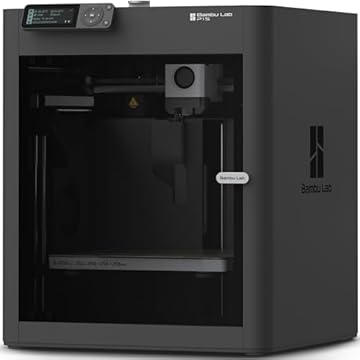
| MakerWorld Model Library | Multi-color functional parts and automated filament switching | CoreXY FDM platform featuring Bambu Lab P1S Combo with AMS multi-color extrusion instead of liquid photopolymer |
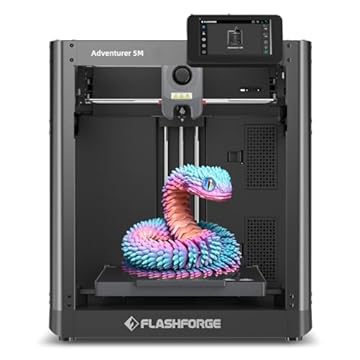
| FLASHFORGE Adventurer 5M 3D Printer | Rapid single-color filament prototyping | CoreXY FDM printer with 600mm/s print speed, 280°C direct extruder, auto-leveling, and 220x220x220mm volume |
| Beginner-Friendly Ecosystem with MakerWorld Model | Enclosed out-of-the-box filament printing | Enclosed CoreXY FDM Bambu Lab P1S standalone printer designed for straightforward filament production without resin washing |
Selecting between these machines comes down to material chemistry and structural requirements. The Anycubic Photon Mono 4 Ultra is the superior option when microscopic resolution, sharp edge rendering, and smooth organic contours are mandatory. However, if your projects demand large structural brackets, functional snap latches, or multi-colored plastic parts without the chemical handling of liquid photopolymer, enclosed filament printers like the Bambu Lab P1S configurations or the Flashforge Adventurer 5M are far more practical. For creators curious about filament-based options within the same brand family, our anycubic kobra s1 3d printer review offers a detailed look at extrusion-based workflows.

08 Bottom Line
The Anycubic Photon Mono 4 Ultra successfully brings industrial-grade optical accuracy to the desktop enthusiast and professional maker. Its 7-inch 10K monochrome display with 17-micrometer XY resolution captures minute structural details with clarity that older 4K hardware simply cannot match. Complemented by high-speed ACF release film, uniform COB Fresnel optics, and a proactive five-point intelligent detection suite, the printer streamlines resin fabrication while actively safeguarding against print failures.
While creators must budget for secondary cleaning accessories and separate resin supplies, the machine’s robust aluminum and polycarbonate build, rapid 120mm/h capability, and straightforward 4.3-inch touchscreen interface make it an exceptional tool. If you are seeking a modern anycubic mono 4k upgrade to produce museum-quality miniatures, jewellery castings, or precision mechanical components, the Mono 4 Ultra delivers dependable desktop performance that makes it well worth the investment.
09 FAQ
Is Anycubic Mono 4 Ultra worth it compared to older 4K printers?
Whether is anycubic mono 4 ultra worth it depends on your standard for surface finish and production speed. Upgrading from older 4K hardware provides a 105 percent increase in resolution over models like the Mono 2, reducing pixel dimensions to just 17 micrometers. This leap eliminates stair-step artifacts on organic curves. Combined with faster ACF peel cycles and intelligent failure detection, the Mono 4 Ultra offers substantial time savings and higher print success rates.
How does the ACF film improve print speeds on the Anycubic Photon Mono 4 Ultra?
The new-generation ACF release film features a low surface tension profile that reduces adhesion between cured resin and the vat floor. When managed by the Intelligent Release Algorithm, the printer executes vertical peel maneuvers faster than on traditional FEP films without damaging delicate supports. This allows the machine to achieve maximum print speeds up to 120mm/h under optimal resin conditions.
What makes the Anycubic Photon Mono 4 Ultra suitable for miniature printing?
When selecting the anycubic mono 4 ultra for miniatures, the 17-micrometer XY pixel size and COB Fresnel optical system ensure that micro-details such as facial expressions, chainmail links, fine weaponry, and fabric wrinkles print with razor-sharp fidelity. The light uniformity of 90 percent or higher ensures that figures placed at the edges of the build plate cure with the exact same precision as models positioned in the center.
What resin safety and failure detection features are included?
The printer incorporates a five-point intelligent detection system consisting of printer auto-inspection, residual resin detection, leftover resin monitoring, failed print detection, and intelligent lifespan management. These routines verify system readiness before printing, alert you if cured debris remains in the vat to protect the LCD screen from cracking, and monitor liquid resin reserves to prevent print jobs from running dry midway through a cycle.
What accessories are required to begin using this resin 3D printer?
The listing indicates that the printer includes the main black unit constructed from ABS, aluminum, and polycarbonate, but does not specify any bundled resin bottles. To begin printing, you will need 405nm UV photopolymer resin, 95% or higher isopropyl alcohol, a cleaning wash tank, safety equipment like nitrile gloves, and a dedicated UV curing station to finalize the mechanical properties of your printed parts.