As Amazon Associates, we earn from qualifying purchases. This means we may receive a small commission at no extra cost to you if you click through and make a purchase.

Professional desktop fabrication requires uncompromising surface fidelity, reliable dimensional tolerances, and turnaround times that keep commercial projects moving forward. For digital sculptors, jewelry designers, and tabletop producers, micro-layer banding and pixelation can add hours of tedious post-processing or result in scrap parts. The Anycubic Photon Mono 4 Ultra directly tackles these workflow bottlenecks by pairing ultra-dense optical resolution with mechanical acceleration, targeting busy creators who demand clean, production-ready resin prints without manual guesswork.
Our comprehensive Anycubic Photon Mono 4 Ultra review concludes that this machine sets a formidable standard for desktop photopolymer printing. By combining a 10K monochrome display with high-speed ACF release film and an automated five-point sensory suite, it eliminates the traditional compromise between fine surface detailing and production speed. For studios focused on intricate parts, it delivers immediate, repeatable utility.
01 Quick Verdict
The Anycubic Photon Mono 4 Ultra delivers exceptional precision through its 9024×5120 panel, cutting production cycles down drastically while safeguarding expensive photopolymer resin through onboard hardware diagnostics.
- Microscopic detail enabled by a 7-inch 10K screen with 17×17-micrometer XY pixel resolution.
- Accelerated throughput achieving print speeds up to 120mm/h using next-generation ACF film.
- Collimated COB light source with Fresnel lenses limiting light deviation within 3 degrees.
- Five automated detection checks that prevent operational resin waste and hardware damage.
02 Anycubic Photon Mono 4 Ultra Features Explained
01 High-Precision 10K Monochrome Optical Engine
The core optical engine of the Anycubic Photon Mono 4 Ultra 10K system relies on a 7-inch monochrome screen boasting a native resolution of 9024×5120 pixels. This configuration yields an XY pixel pitch of just 17×17 micrometers, delivering an impressive 105 percent increase in print precision compared to previous generations like the Mono 2. When creating fine organic textures, sharp geometric corners, or razor-thin lettering, the dense pixel matrix eliminates visible layer stepping and digital voxel artifacts, making this machine especially capable alongside standard units like the Anycubic Photon Mono 4.
Optical precision requires rigorous mechanical stability to translate onto cured photopolymer resin. Anycubic integrates an 8mm diameter T-type screw rod driven alongside precision mechanical guide rails along the Z-axis. This rigid motion system counteracts micro-wobble during repetitive high-speed peel cycles. By preserving microscopic alignment across thousands of sequential layer exposures, the mechanical assembly ensures that the superior Photon Mono 4 Ultra resolution translates into crisp, physically identical production parts without layer shifting.
02 High-Speed ACF Film and Release Algorithm
Throughput is a decisive metric for production workshops, and the Photon Mono 4 Ultra print speed is rated up to 120mm/h. This rapid movement is made possible by an advanced ACF release film working in conjunction with an Intelligent Release Algorithm. The specialized ACF film minimizes surface frosted texturing, which simultaneously boosts UV light penetration and reduces physical peel forces during the lift cycle, allowing the build plate to retract swiftly without ripping delicate supports.
For designers upgrading from older hardware such as the Anycubic Mono 4K, the reduction in cycle duration alters daily scheduling. Instead of waiting an entire working day for complex models to cure, print cycles finish in fractions of the time. The reduced adhesion force of the release interface preserves fine contact points on organic assets, proving that speed does not come at the expense of fragile support structures.
03 Advanced COB Light Source and Fresnel Lenses
Even the densest LCD panel cannot deliver sharp prints without coherent illumination. Anycubic engineers implemented an advanced Chip-on-Board (COB) light source system integrated with precision Fresnel lenses. This optical arrangement bends the emitted UV rays into parallel columns, keeping the light refraction angle tightly constrained within 3 degrees. Preventing stray light interference ensures that curing energy passes perpendicularly through each 17-micrometer pixel rather than bleeding outward into adjacent resin pools.
Complementing this collimated lens array is Anycubic’s proprietary Light Uniformity Algorithm, which drives light uniformity across the active 7-inch screen to a rate equal to or exceeding 90 percent. Consistent optical energy across the full build area prevents edge distortion, meaning parts cured in the center of the vat possess the exact same dimensional tolerances as parts printed near the periphery.
04 Five-Point Intelligent Detection System
Resin printing traditionally incurs operational risks ranging from cured debris puncturing the vat film to unattended print runouts. The Photon Mono 4 Ultra intelligent detection suite mitigates these concerns through five onboard automated inspection features: Printer Auto-Inspection, Residual Resin Detection, Leftover Resin Monitoring, Failed Print Detection, and Intelligent Lifespan Management. These continuous hardware checks identify errors before motor torque or curing cycles cause permanent screen fractures.
In high-tempo studio environments, these sensory safeguards directly protect operating margins. The leftover resin monitor warns operators if fluid levels are inadequate before beginning a tall job, while failed print detection intercepts peeling errors early to prevent the vat from generating cured floaters. Automated lifespan monitoring tracks component usage, alerting technicians when optical or mechanical consumables need preventative maintenance.
05 Touch Interface and Operating Controls
Operator interaction is driven by a 4.3-inch high-definition color touchscreen featuring an all-new user interface design. The layout presents primary print functions, diagnostic readouts, and calibration options in an intuitive visual menu structure supporting 8 languages. Compared to complex industrial interfaces on larger units like the Anycubic Mono M7, the control panel on this Anycubic mono 4 ultra resin 3D printer streamlines job initialization, letting operators prep and run tasks without navigating cumbersome menus.
03 Specs
| Attribute | Detail |
|---|---|
| Brand | ANYCUBIC |
| Model Number | Mono 4 Ultra |
| LCD Screen Size | 7-inch Monochrome Screen |
| Screen Resolution | 10K (9024 x 5120 pixels) |
| XY Pixel Size | 17 x 17 micrometers |
| Maximum Print Speed | Up to 120 mm/h |
| Light Source System | COB Light Source with Fresnel Lenses (<= 3° angle) |
| Light Uniformity | Greater than or equal to 90 percent |
| Z-Axis Mechanics | 8mm diameter T-type screw rod with precision guide rails |
| Control Panel | 4.3-inch HD touchscreen supporting 8 languages |
| Product Dimensions | 15″D x 10″W x 20″H |
| Item Weight | 4 kg |
| Chassis Construction Materials | ABS, Aluminum, Polycarbonate |
04 Anycubic Photon Mono 4 Ultra Pros and Cons
Pros
- 7-inch 10K monochrome screen with 17×17μm XY pixels
- Fast print speed up to 120mm/h with ACF film
- COB light source with Fresnel lenses within 3 degrees
- Light uniformity rate reaches at least 90 percent
- Five intelligent detection systems prevent print failures
Cons
- Listing does not specify exact internal build volume
- Listing does not specify bundled accessories or resin
05 Best Use Cases
- Producing highly articulated Photon Mono 4 Ultra for miniatures projects where micro-textures, facial expressions, and sharp armor edges must remain visible.
- Fabricating dental study models, aligner arches, and crown mockups requiring high dimensional uniformity across the entire platform.
- Creating master patterns for jewelry investment casting with microscopic surface smoothness that reduces manual polishing time.
- Rapid prototyping of functional mechanical components needing crisp interior screw holes, snap-fits, and tight mechanical tolerances.
- Small-scale batch production runs in professional design studios where automated detection checks prevent downtime during unattended overnight printing.
06 Before You Buy
Before purchasing, examine your studio workspace to ensure proper physical accommodation. The machine features overall product dimensions of 15 inches deep by 10 inches wide by 20 inches high, with a lightweight build of 4 kilograms constructed from ABS, aluminum, and polycarbonate materials. However, while the exterior footprint is compact, the manufacturer listing does not specify the exact internal build volume dimensions in millimeters, nor does it list specific connectivity methods like onboard Wi-Fi or USB drive formats. Plan your tabletop footprint accordingly to allow clearance for the UV-blocking hood during removal.
Prospective buyers must also consider operational accessories. Photopolymer resin printing demands dedicated post-processing steps, including chemical washing stations, secondary UV curing chambers, and personal protective gear. The Amazon listing does not specify whether extra release films, resin bottles, scrapers, or slicing software subscriptions are bundled in the package. If you are integrating this machine into an existing workflow, verify your third-party slicer profiles and stock adequate cleaning solvents beforehand.
07 How It Compares With Similar Picks
| Product | Best For | Key Difference |
|---|---|---|
| Anycubic Photon Mono 4 Ultra | High-detail resin miniatures, jewelry masters, and precision tooling | 7-inch 10K mono screen, 17×17μm XY pixels, 120mm/h speed, and 5-point intelligent detection |
| MakerWorld Model Library | Multi-color FDM prototyping and ecosystem-driven desktop printing | High-speed CoreXY FDM architecture featuring auto-bed leveling and AMS multi-color filament feeding |
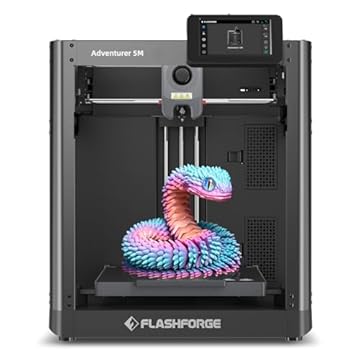
| FLASHFORGE Adventurer 5M 3D Printer | Fast functional thermoplastic fabrication and rapid prototyping | CoreXY FDM system with 600mm/s speed, 280°C direct extruder, and 220x220x220mm build size |
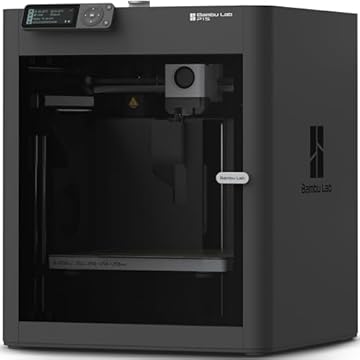
| Beginner-Friendly Ecosystem with MakerWorld Model | Turnkey filament fabrication for enclosed home and studio spaces | Enclosed CoreXY FDM design built for ready-to-use structural filament fabrication |
Selecting between these manufacturing platforms comes down to intended material properties and part geometry. If your priority is extreme microscopic resolution for castable models, finely detailed figurines, or tight dental mockups, the Anycubic Photon Mono 4 Ultra is the appropriate tool due to its 17-micrometer LCD pixel grid. Conversely, if your project involves large structural enclosures, durable thermoplastic mechanical assemblies, or multi-color filament parts, choose an FDM alternative such as the CoreXY systems listed above.
08 Bottom Line
The Anycubic Photon Mono 4 Ultra balances extreme optical fidelity with production-grade mechanical reliability. Its combination of a 7-inch 10K monochrome display, 120mm/h maximum print speed via ACF film, and a collimated COB optical array directly answers the needs of commercial creators who cannot afford failed prints or protracted layer cure times.
While studio technicians should note that the listing omits internal build envelope measurements and bundled post-processing gear, the onboard five-point intelligent monitoring system provides robust operational insurance. For digital artists, model makers, and precision fabricators seeking immediate dimensional accuracy, this hardware represents a capable, dependable addition to any professional desktop workshop.
09 FAQ
Is Anycubic Photon Mono 4 Ultra worth it for commercial workshops?
Yes, is Anycubic Photon Mono 4 Ultra worth it for studios prioritizing turnover speed and surface quality. The machine’s 120mm/h maximum print speed, combined with its 17×17-micrometer XY pixel pitch and automated safety diagnostics, reduces manual monitoring time and lowers scrap rates, making it an efficient asset for continuous commercial production.
How does the Photon Mono 4 Ultra print speed reach 120mm/h?
The accelerated print speed is driven by a specialized ACF release film combined with an Intelligent Release Algorithm. The ACF film reduces peel suction forces during the vertical lift movement, allowing the build plate to release rapidly without damaging delicate cured layers or pulling models away from support structures.
What makes the Photon Mono 4 Ultra resolution ideal for miniatures?
Miniature sculptors require high fidelity along tight organic curves and fine surface details. The 7-inch 10K screen features a resolution of 9024×5120 pixels, yielding a dense 17×17-micrometer XY pixel matrix. This pixel concentration eliminates visible digital stair-stepping, resulting in crisp edges and smooth contours directly off the build plate.
What are the primary Anycubic Photon Mono 4 Ultra specs?
Key Anycubic Photon Mono 4 Ultra specs include a 7-inch 10K monochrome screen (9024×5120 resolution), 17×17-micrometer pixel pitch, 120mm/h maximum print speed, COB light source with Fresnel lenses delivering a light angle within 3 degrees, greater than or equal to 90 percent light uniformity, an 8mm T-type lead screw, a 4.3-inch touchscreen, and an overall weight of 4 kg.
How does the Photon Mono 4 Ultra intelligent detection prevent print failures?
The system incorporates five automated inspections: printer auto-inspection, residual resin detection, leftover resin monitoring, failed print detection, and intelligent lifespan management. These sensors check for foreign resin debris and track liquid levels, stopping operations before motor strain or trapped debris can crack the monochrome screen.
What should users know about the Photon Mono 4 Ultra setup?
The initial Photon Mono 4 Ultra setup is guided via a 4.3-inch high-definition touchscreen running an all-new user interface available in 8 languages. Operators should place the 4 kg printer on a stable surface with adequate clearance for its 15″D x 10″W x 20″H footprint, and verify that appropriate resin and safety washing supplies are ready before leveling and initiating prints.