As Amazon Associates, we earn from qualifying purchases. This means we may receive a small commission at no extra cost to you if you click through and make a purchase.

Large-format 3D printing introduces distinct mechanical hurdles, especially when dealing with an expansive 430x430mm build area. Spanning such a wide footprint makes thermal distribution difficult and puts severe stress on first-layer bonding, often leading to edge curl, corner lifting, or ruined prints midway through an overnight run. For rapid prototypers, production specialists, and makers pushing high-volume output on massive machines, bed reliability is paramount. The KOYOFEI Neptune 4 Max PEI Plate provides a targeted solution to these persistent first-layer failures, offering a dedicated replacement surface designed to lock large prints in place without messy glue sticks or tape.
Our assessment of this build platform confirms that it offers significant workflow improvements for large-format print setups. Combining a rugged, powder-coated surface with a flexible spring steel core, this upgrade tackles common bed adhesion defects while allowing smooth part release after cooling. If your primary goal is minimizing failed prints and keeping your large-scale production line running reliably, this platform upgrade delivers dependable utility.
01 Quick Verdict
The KOYOFEI build sheet provides a durable, drop-in build surface that eliminates common adhesion inconsistencies across extra-large print beds. Its balanced powder-coated surface provides exceptional grip when heated, transitioning to spontaneous model detachment once temperatures normalize back to room level.
- Expansive 430x430mm spring steel sheet tailored for extra-large format beds.
- Dual-sided matte black textured powder coating that doubles surface operational lifespan.
- Strong thermal cycle adhesion preventing warping on large footprints.
- Effortless model release via natural cooling or gentle plate flexing.
02 KOYOFEI Neptune 4 Max PEI Plate Features Explained
01 Dual-Sided Matte Black Textured PEI Surface
This replacement plate incorporates a double-sided design that effectively doubles its usable lifespan. Unlike single-sided platforms that become useless once a single spot suffers an accidental nozzle gouge or surface tear, this sheet can be turned over immediately to resume printing. The matte black textured finish leaves an attractive, professional stippled look across the entire bottom surface of every finished print, which helps camouflage layer lines and surface inconsistencies on bottom layers.
The powder-coating application process creates a tough, granular texture across the entire build envelope. This surface finish is especially beneficial for large functional parts, enclosures, and structural brackets where an industrial matte aesthetic is preferred over a glossy or glass-smooth base layer.
02 High-Adhesion Uniform Powder Spray Coating
Achieving stable first-layer adhesion is a common hurdle on expansive beds, where drafts and microscopic bed height variations can cause corners to peel. This neptune 4 max bed adhesion plate uses a uniform PEI spray process designed to deliver exceptional mechanical bite across every square millimeter of the build area. By securing the extruded filament tightly against the steel base, it actively prevents corner lifting on broad geometric models.
This even coating minimizes the need for supplemental adhesion aids like hairspray, masking tape, or specialty adhesives. As long as the build plate remains clean, the textured spray surface maintains its grip run after run, ensuring predictable initial layer contact even during complex printing projects.
03 Spring Steel Core and Effortless Part Release
Removing massive prints from a rigid bed can be an awkward, nerve-wracking process that risks bending parts or gouging the print surface with scraper blades. The internal core of this neptune 4 max build plate is constructed from resilient spring steel, giving it both structural flat rigidity on the magnetic base and flexible responsiveness when removed from the machine. Once a print job completes and the platform cools down to room temperature, the difference in thermal contraction between the plastic model and the metal sheet causes prints to detach with minimal effort.
For large-footprint prints that retain residual grip, a gentle manual flex of the spring steel plate pops the model off instantly without requiring scraping tools. This protects the delicate underside of your printed parts, eliminates the physical strain of prying large parts off the bed, and shields the PEI coating from accidental tool damage.
04 Extensive Filament Compatibility and Thermal Performance
A capable build sheet must handle diverse thermal demands without blistering or degrading over time. This neptune 4 max pei sheet is rated to endure standard low-temperature filaments as well as demanding technical polymers. It accommodates PLA and TPU at moderate bed temperatures of 50 to 60 degrees Celsius, PETG at 70 to 80 degrees Celsius, and higher-demand materials like ABS at 80 to 100 degrees Celsius, alongside nylon filaments.
Operating a neptune 4 max for abs or nylon requires steady heat retention and strong initial grip to counter the severe shrinkage tendencies of high-temp plastics. The durable PEI formulation withstands continuous heating and cooling cycles on the hotbed without delaminating, making it a reliable choice for engineers producing functional components across diverse thermoplastic materials.
05 Drop-In Sizing for Large-Format Printers
Precision sizing is vital when managing high-speed, wide-format machinery. This textured pei 430x430mm platform is built specifically to match the expansive dimensions required by machines like the Elegoo Neptune 4 Max, Neptune 3 Max, and Anycubic Kobra 2 Max. The dimensions align cleanly with the stock magnetic base, seating flush to preserve edge-to-edge printing capability without hanging over machine edges or interfering with internal gantry clearance.
The sheet weighs 1.8 pounds, providing a substantial feel that resists unintended warping during heating while remaining light enough to minimize unnecessary inertial load on the Y-axis stepper motor. This structural stability supports consistent automated bed leveling routines across massive build volumes, maintaining operational parity across related machinery like the elegoo neptune 4 plus series ecosystem.
03 Specs
| Attribute | Detail |
|---|---|
| Brand / Manufacturer | KOYOFEI |
| Dimensions | 430 x 430 mm |
| Package Dimensions | 18.9 x 17.72 x 0.79 inches |
| Item Weight | 1.8 pounds |
| Material | Flexible Spring Steel with Powder-Coated PEI |
| Surface Finish | Double-Sided Matte Black Textured |
| Supported Printers | Elegoo Neptune 4 Max, Neptune 3 Max, Kobra 2 Max |
| Supported Filaments | PLA, TPU, PETG, ABS, Nylon, and related filaments |
| Recommended Bed Temps | PLA: 50-60°C, PETG: 70-80°C, ABS: 80-100°C, TPU: 50-60°C |
| Cleaning Protocol | Mild detergent and water |
04 KOYOFEI Neptune 4 Max PEI Plate Pros and Cons
Pros
- Generous 430x430mm size for large beds
- Double-sided textured surface doubles lifespan
- Strong adhesion reduces corner warping
- Flexible spring steel enables easy release
- Broad compatibility with ABS, nylon, and PLA
Cons
- Requires complete bed re-leveling after setup
- Magnetic base sticker not included
- Needs regular detergent washing for adhesion
05 Best Use Cases
- Large-scale architectural models and expansive structural enclosures that require reliable first-layer anchoring to stop corner warping.
- Continuous industrial manufacturing environments where a double-sided surface halves downtime by allowing instant sheet swapping between print jobs.
- Functional parts production in workshops integrating automated tools like a lunyee 3018 pro ultra cnc machine alongside large additive manufacturing platforms.
- Printing technical parts using high-shrinkage materials like ABS and nylon that demand strict bed adhesion up to 100 degrees Celsius.
- Projects where smooth bottom finishes are undesirable and a textured, professional matte base is required to hide layer lines.
06 Before You Buy
Before purchasing this neptune 4 max bed upgrade, verify that your printer utilizes a 430x430mm heated bed platform. This plate is directly compatible with the Elegoo Neptune 4 Max, Elegoo Neptune 3 Max, and Anycubic Kobra 2 Max. You must completely re-level your 3D printer and reset your Z-offset immediately after mounting this sheet. Because slight variances in coating thickness exist between different manufacturing runs, failure to re-level can lead to poor first layers or cause the nozzle to scrape the textured surface.
The package contains only the double-sided 430x430mm textured build plate. The listing does not include a replacement magnetic base sticker, alignment guides, or secondary accessories. Ensure your printer’s underlying magnetic sheet is clean and undamaged before laying this plate down. Maintaining adhesion requires regular cleaning with standard detergent and warm water to strip away oils and dust, as grease accumulation degrades bond strength over time.
07 How It Compares With Similar Picks
| Product | Best For | Key Difference |
|---|---|---|
| KOYOFEI Neptune 4 Max PEI Plate | Upgrading large-format Neptune 4 Max and Kobra 2 Max beds | 430x430mm double-sided textured spring steel sheet tailored for huge build volumes |
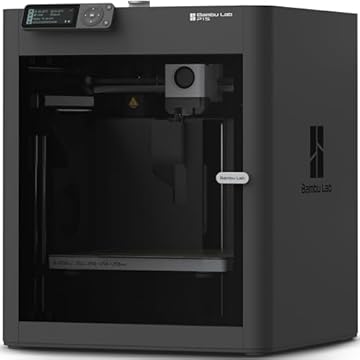
| MakerWorld Model Library | Multi-color high-speed enclosed CoreXY printing | A complete Bambu Lab P1S Combo printer and AMS system rather than a standalone bed upgrade |
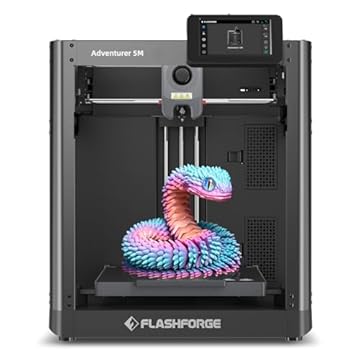
| FLASHFORGE Adventurer 5M 3D Printer | Compact, high-speed enclosed standalone printing | A full CoreXY 3D printer with a 220x220x220mm print volume, not a large-format bed sheet |
| Beginner-Friendly Ecosystem with MakerWorld Model | Turnkey enclosed multi-material printing setups | An enclosed CoreXY Bambu Lab P1S machine ecosystem instead of a build plate component |
When deciding between these options, keep in mind that the KOYOFEI sheet is an aftermarket build component specifically made for owners of existing large-format printers. If you currently operate a Neptune 4 Max, Neptune 3 Max, or Kobra 2 Max and suffer from poor bed grip or damaged coatings, this sheet directly addresses your problem. Conversely, if you are looking to acquire a new, fully enclosed, high-speed printer with multi-color printing capabilities or a smaller desk footprint, complete machines like the Flashforge Adventurer 5M or Bambu Lab P1S represent entire printer investments rather than a component repair.

08 Bottom Line
Managing large-scale 3D printers requires dependable bed adhesion, and this KOYOFEI build surface meets that need directly. The combination of resilient spring steel, an even double-sided powder coating, and generous thermal tolerances turns challenging large-footprint prints into routine, predictable operations. It effectively resolves the common edge-lifting frustrations that plague large print jobs, making it an essential component for any workshop running broad-format FDM printers.
By streamlining print release and providing an extra usable surface side, it reduces operational delays and keeps your machine producing. If your stock print bed has lost its grip or you need a reliable backup surface to minimize turnaround times, this upgrade delivers consistent, practical value.
09 FAQ
Is neptune 4 max pei plate worth it as a replacement?
Yes. The dual-sided textured design provides twice the operational lifespan of single-sided stock plates, while the uniform powder-coated surface provides exceptional first-layer grip that reduces failed prints due to warping.
How do I clean this build plate to maintain adhesion?
The manufacturer recommends cleaning the surface regularly with mild detergent and warm water. This removes airborne dust and finger oils that naturally diminish PEI adhesion over time. Always let the plate dry completely before heating.
Can I print ABS and nylon on this build sheet?
Yes. The plate is rated for high-temperature materials, handling ABS between 80 and 100 degrees Celsius as well as nylon. Its strong thermal endurance ensures the coating will not bubble or peel under sustained hotbed use.
Do I need to re-level my printer after installing this plate?
Yes. The manufacturer specifically notes that users must re-level the printer after placing the new sheet on the magnetic bed. Recalibrating your automatic bed mesh and Z-offset ensures optimal first-layer squish and protects the textured coating.
What should I do if prints stick too firmly to the plate?
Allow the print bed to cool down completely to room temperature before attempting removal. The cooling process naturally releases the part. If residual adhesion remains, simply remove the plate from the printer and flex the spring steel gently to pop the model off.