As Amazon Associates, we earn from qualifying purchases. This means we may receive a small commission at no extra cost to you if you click through and make a purchase.

Standard textured build surfaces often leave a uniform matte texture that can look utilitarian on decorative parts. Designers and makers who run high-speed Bambu machines often search for a way to add distinctive visual appeal directly from the bed without secondary finishing steps. The Wefuit Holographic Build Plate provides an immediate solution by transferring light-refracting patterns onto bottom layers. If you run a high-output machine like the bambu lab x2d combo or an enclosed series unit, having a dual-pattern plate streamlines both functional prototyping and creative display projects.
Our research into this dual-textured platform reveals a reliable, versatile solution designed specifically for modern high-speed printing environments. By incorporating two distinct refraction patterns onto a resilient steel core, it bridges the gap between show-stopping presentation prints and daily production durability. If your workflow requires clean first-layer transfer, consistent bed flatness, and dependable mechanical release, this accessory delivers exceptional utility for your print farm.
01 Quick Verdict
The Wefuit platform provides an efficient, eye-catching surface upgrade that combines creative visual effects with solid industrial temperature tolerance across mainstream printing filaments.
- Dual-sided design features distinct Circle and Starry refraction patterns on a single spring steel sheet.
- Maintains structural stability and heat transfer up to an operational limit of 200°C.
- Engineered to flex effortlessly, allowing cooled prints to detach without mechanical scraping.
- Requires standard wiping maintenance and specific slicer selections to ensure peak initial layer bonding.
02 Wefuit Holographic Build Plate Features Explained
01 Dual-Sided Holographic Diffraction Patterns
The core attraction of this build surface lies in its integrated dual-pattern finish. The manufacturer combines two distinct microscopic diffraction geometries across opposite sides: a geometric Circle motif on one face and a shimmering Starry pattern on the other. When hot filament is pressed against these microscopic channels, the plastic cools into a reverse impression that bends ambient light into vibrant color spectrums without adding external coatings. This Bambu Lab holographic build plate enables complex geometric visuals directly off the print bed.
This dual-sided arrangement doubles the utility of a single physical sheet. Rather than swapping out entire plates to achieve a different aesthetic result, you simply flip the flexible bed over. For workshops running multi-color components alongside a bambu lab ams system, the resulting surface adds a distinctive, premium look to bottom-facing bezels, model bases, and exterior enclosures.
02 High Temperature Resistance and Filament Versatility
A frequent drawback of decorative build surfaces is their vulnerability to heat degradation during high-temperature printing. The Wefuit platform overcomes this limitation by supporting temperatures up to 200°C. Observing the official Wefuit PEY plate temperature limits ensures that the diffraction microstructures remain intact through lengthy print cycles and high-chamber workloads.
The listing specifically recommends this bed for printing PLA, TPU, PETG, and ABS filaments. Because the surface tolerates high chamber and bed temperatures, users can comfortably seal their enclosures for warping-prone materials like ABS. For unlisted technical filaments, the manufacturer advises calibrating custom parameters, making this a remarkably capable holographic print bed for Bambu Lab setups across diverse material categories.
03 Flexible Spring Steel Sheet Architecture
Beneath the microscopic optical coatings sits a core constructed from flexible spring steel. High-speed CoreXY machines exert significant lateral nozzle forces and thermal cycles that can warp lesser materials over time. This Bambu Lab spring steel sheet is engineered to maintain absolute planarity across its entire 257×257 mm span, preventing low spots that ruin first-layer squish.
Removing completed models is straightforward and requires zero scraper tools. Once a print finishes and the build plate cools down, the printed plastic releases naturally from the surface. For stubborn parts or broad contact areas, a subtle manual flex of the sheet pops models loose immediately, safeguarding both the plate surface and delicate print edges from mechanical gouging.
04 Surface Maintenance and Slicer Adhesion Optimization
Because the holographic effect depends entirely on microscopic physical impressions rather than chemical pigments, surface cleanliness directly governs visual quality. Any finger oils, dust, or residual grease will fill in the microscopic textures, causing patchy color transfer and diminished first-layer adhesion. The manufacturer outlines a simple two-step maintenance procedure: wipe the surface thoroughly with a wet paper towel to dissolve contaminants, and dry it immediately with a clean dry towel before each print job.
Achieving dependable Wefuit build plate bed adhesion also requires aligning software settings with the physical characteristics of the PEY film. The manufacturer explicitly recommends selecting the Smooth PEI Plate or High Temp Plate preset inside the slicing software. For users operating high-speed enclosed systems like the bambu lab ps1 combo, setting this proper profile prevents auto-leveling discrepancies and ensures optimal initial extrusion bonding.
03 Specs
Evaluating the technical parameters of this platform helps clarify its mechanical fit and operating limits. Below are the verified Wefuit PEY build plate specs based on official manufacturer listing data.
| Attribute | Detail |
|---|---|
| Brand | Wefuit |
| Platform Dimensions | 257 x 257 mm |
| Package Dimensions | 11.02 x 10.55 x 0.43 inches |
| Item Weight | 13.1 ounces |
| Surface Patterns | Circle and Starry (PEY-Circle + PEY-Starry) |
| Core Material | Flexible spring steel sheet |
| Maximum Temperature Resistance | 200°C |
| Recommended Filaments | PLA, TPU, PETG, ABS |
| Recommended Slicer Profile | Smooth PEI Plate / High Temp Plate |
| Compatible Machine Models | Bambu Lab X2D, P2S, X1, X1C, X1E, P1P, P1S, A1 |
04 Wefuit Holographic Build Plate Pros and Cons
Pros
- Dual-sided Starry and Circle holographic texture patterns
- High heat tolerance rated up to 200°C
- Resilient spring steel sheet prevents structural warping
- Natural part release once the plate cools down
- Compatible with standard filaments like PLA, PETG, ABS
Cons
- Requires thorough wiping before every single print job
- Demands specific slicer bed profile selections for adhesion
- Unlisted filaments require manual print parameter adjustments
05 Best Use Cases
- Producing eye-catching consumer products and desktop accessories where bottom surfaces remain permanently visible to the user.
- Printing high-temperature functional mechanical parts in ABS or PETG that demand flat geometry and rigid structural stability.
- Upgrading flexible filament projects using TPU where simple manual flexing allows easy part detachment without bed damage.
- Creating distinctive badges, decorative signage, and jewelry pieces that benefit from vibrant light-refracting color shifts.
06 Before You Buy
Before purchasing this Bambu X2D build plate upgrade, verify your printer build volume and bed mounting style. The plate measures exactly 257×257 mm, making it fully compatible with Bambu Lab platforms including the X2D, P2S, X1, X1C, X1E, P1P, P1S, and standard A1 printers. However, smaller cantilever formats like the bambu a1 combo mini edition utilize a smaller build area, so you must confirm your machine’s exact bed dimensions prior to placing an order.
Prospective buyers should also review the practical contents and operational limitations detailed in the listing. The package includes the removable spring steel sheet itself, but the listing does not specify any secondary magnetic base sticker, alignment guides, or chemical cleaning solutions in the box. Users must rely on their printer’s pre-installed magnetic heatbed and maintain the surface using standard household paper towels. Additionally, while thermal tolerance reaches up to 200°C, the manufacturer notes that filaments outside of PLA, TPU, PETG, and ABS require manual parameter tuning to achieve proper bonding.
07 How It Compares With Similar Picks
| Product | Best For | Key Difference |
|---|---|---|
| Wefuit Holographic Build Plate | Printers seeking decorative light-refracting finishes on Bambu machines | Dual-sided Circle and Starry PEY patterns on a 257×257 mm 200°C spring steel sheet |
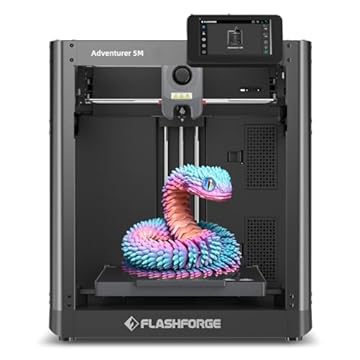
| FLASHFORGE Adventurer 5M 3D Printer | Standalone high-speed CoreXY printing out of the box | Complete machine with 220x220x220 mm volume, auto-leveling, and 280°C extruder rather than an accessory sheet |
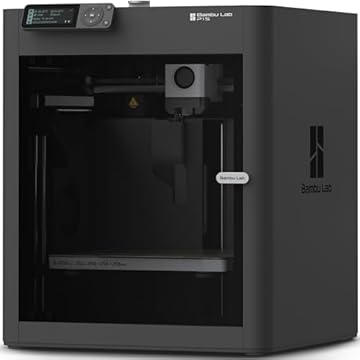
| Beginner-Friendly Ecosystem with MakerWorld Model | Enclosed multi-material workflows and ready-to-use printing | Fully enclosed CoreXY Bambu Lab P1S system with integrated model library access instead of a build plate |
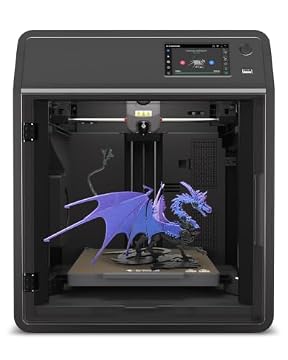
| Dual-Color Printing | Enclosed dual-color component manufacturing | Standalone FDM printer featuring an enclosed build chamber, touchscreen display, and WiFi connectivity |
When deciding between these options, your choice depends on whether you need a dedicated surface accessory or an entirely new printing platform. The Wefuit sheet is strictly an add-on engineered to enhance first-layer aesthetics on compatible 257×257 mm machines. If your workshop instead requires a standalone high-speed printer with auto-leveling, the FLASHFORGE Adventurer 5M 3D Printer provides a compact CoreXY package. For creators seeking a fully enclosed ecosystem with integrated model support, the Beginner-Friendly Ecosystem with MakerWorld Model offers a turnkey Bambu P1S experience. Similarly, the Dual-Color Printing unit suits users who require an independent enclosed machine with touchscreen controls rather than an aftermarket build plate.

08 Bottom Line
For makers asking is Wefuit build plate worth it, the answer comes down to whether your projects can leverage striking visual flair. In our Wefuit build plate review research, this accessory stands out by integrating two distinct PEY diffraction geometries onto an exceptionally durable 200°C steel sheet. It eliminates the need for post-processing decorative surfaces while supporting daily mechanical materials like ABS and PETG without structural warping.
Provided you follow the necessary pre-print wiping routine and choose the appropriate smooth high-temperature profile in your slicer, this plate delivers smooth operation and consistent part detachment. It represents a practical, high-value visual upgrade for anyone seeking to expand the creative potential of their Bambu Lab 3D printer.
09 FAQ
How do the holographic patterns transfer to printed parts?
The holographic effect is achieved through microscopic diffraction gratings engineered directly into the PEY surface coating. When the initial filament layer is deposited under heat and pressure, it conforms to these microscopic ridges. As light hits the cooled plastic surface, it diffracts across multiple wavelengths, creating dynamic color shifts without using chemicals or inks.
What slicer settings should I choose for this plate?
The manufacturer recommends selecting the Smooth PEI Plate or High Temp Plate preset within your slicing software. This configuration applies appropriate thermal baselines and nozzle offsets, ensuring strong initial layer squish without causing nozzle collisions on the delicate micro-textured surface.
How should I clean the build surface between prints?
To preserve the microscopic patterns and maintain adhesion, wipe the plate clean with a damp paper towel to eliminate grease, dust, and fingerprints. Follow up immediately by drying the surface thoroughly with a fresh paper towel. Avoid abrasive scouring pads, as they will permanently damage the optical diffraction film.
Can I print materials other than PLA, PETG, ABS, and TPU?
While the plate is rated for temperatures up to 200°C and specifically tested for PLA, TPU, PETG, and ABS, printing advanced or exotic filaments requires custom parameter adjustments. You may need to tune bed temperatures, initial print speeds, and extrusion multipliers to ensure adequate bonding.
How do I remove finished parts from the sheet?
Allow the build plate to cool down completely to ambient room temperature before attempting removal. In most cases, parts will detach automatically upon cooling. If a print remains firmly bonded, gently flex the spring steel plate outward from the edges to release the model cleanly without tools.