As Amazon Associates, we earn from qualifying purchases. This means we may receive a small commission at no extra cost to you if you click through and make a purchase.

Enclosed 3D printing often introduces serious workspace friction, specifically airborne fumes and chamber temperature instability that compromise engineering filaments. For professionals running desktop fabrication setups in office environments or living quarters, dealing with odors, volatile organic compounds, and moisture-laden filaments usually means stringing together multiple bulky appliances. The BIQU Panda Breath directly tackles this multi-part challenge by combining active chamber heating, moisture reduction, and particulate scrubbing into a single, compact internal unit. Rather than cluttering your workspace with separate filament dry boxes and standalone room air purifiers, this integrated accessory aims to manage thermal conditions and air quality directly inside the printer frame.
In this biqu panda breath review, we examine whether consolidating three distinct functions into an enclosed form factor delivers real utility or introduces unnecessary operational compromise. Our assessment shows that the panda breath biqu hardware stands out as an exceptional, clutter-free upgrade for owners of enclosed machines seeking reliable chamber heating and active odor mitigation, though Klipper enthusiasts must account for manual control constraints. If you demand a cleaner desktop and improved filament performance without splicing dangerous high-voltage lines, this multi-functional unit provides a compelling, unified solution.
01 Quick Verdict
The BIQU Panda Breath delivers an efficient 3-in-1 chamber heating, air filtration, and filament drying solution that eliminates workspace clutter and enhances print reliability.
- Combines dual HEPA and activated carbon filtration with active chamber heating and drying
- Features a plug-and-play installation without exposed AC lines or permanent machine modifications
- Offers flexible operation through onboard button controls and a network Web UI interface
- Integrates dual hardware and software thermal protection mechanisms for safer enclosed printing
02 BIQU Panda Breath Features Explained
01 Dual HEPA and Activated Carbon Air Filtration
The centerpiece of the internal air treatment is a robust panda breath heater filter assembly designed specifically for enclosed operating spaces. This system pairs high-density particulate scrubbing with biqu panda breath voc filtration to capture airborne hazards generated during the plastic melting process. By pulling contaminated air through both a HEPA barrier and an activated carbon stage, the unit traps microscopic ultrafine particles alongside noxious volatile organic compounds before expelling heated, clean air back into the enclosure. Maintaining clean ambient air is just as vital as keeping workshop tools in order, much like using a specialized bon ami powder cleanser original to maintain work surfaces without introducing harsh industrial chemicals into your breathing zone.
The continuous air recirculation keeps unpleasant fumes and hazardous off-gassing from escaping into small offices, workshops, or shared living spaces. Because the filtration cycle operates internally, it preserves the internal thermal envelope rather than venting warm chamber air outdoors. This dual-stage scrubbing mechanism allows users to print demanding engineering materials with significantly reduced odor and airborne particulate exposure.
02 Integrated Built-In Filament Drying Functionality
Beyond cleaning the internal atmosphere, the hardware acts as a dedicated biqu panda breath filament dryer when your machine is sitting idle. By circulating warm, dry air across the spool compartment, the unit actively draws out trapped ambient moisture that typically causes stringing, poor layer adhesion, and nozzle bubbling. Transitioning the hardware into drying mode allows makers to recondition moisture-sensitive materials right inside the build volume without pulling reels out to store in external benchtop dry boxes.
Operating this drying feature successfully requires updating the unit to the latest firmware release sourced directly from the official BTT Wiki repository prior to use. Once flashed, the integrated dryer operates seamlessly when the 3D printer finishes a production cycle. This eliminates the necessity of transferring delicate spools between separate warming chambers, simplifying your filament preparation routine into a single physical station.
03 Plug-and-Play Architecture and Thermal Protection
Safety and simplicity define the physical architecture of this heating module. Traditional DIY chamber heaters often force users to splice into mains power supplies or run bare wires, but the biqu panda breath installation emphasizes a strictly plug-and-play configuration. Users can install and mount the unit without irreversible frame alterations, drilling, or exposing hazardous AC lines. Having an organized, tidy physical setup prevents workspace mishaps, just as tackling everyday fabric spills with a reliable grandmas stain remover preserves your work clothes during messy maker projects.
To prevent catastrophic overheating events in tight enclosures, the unit incorporates redundant dual-layer thermal safety protocols. It couples hardware-level thermal cutoffs with software-based monitoring routines that continuously regulate heater output. If internal temperatures exceed safe operating limits, the safety circuitry immediately intervenes, ensuring that unattended builds remain protected from thermal runaway.
04 Dual Interface Control: Physical Buttons and Web UI
Operational flexibility is supported through two distinct control interfaces: an onboard tactile button panel and a local Web UI. The physical buttons allow makers standing right beside the machine to cycle heating states, engage filtration cycles, or toggle operational modes on the fly. This direct manual interface ensures quick adjustments during rapid prototyping sessions without requiring a laptop or phone screen.
For remote workflows, the integrated Linux-based operating system serves a responsive Web UI accessible via a standard personal computer connected to your local network. This network console provides clear visibility over current chamber thermal states, airflow management, and operational durations. Having dual interfaces guarantees that whether you are standing directly in front of the printer or managing prints from across the room, full control remains readily accessible.
05 Broad Machine Compatibility and Firmware Adaptability
The unit provides broad panda breath compatibility across an extensive range of enclosed 3D printing platforms. It fits naturally into popular Bambu Lab machines including the P1S, P1P, and X1C, while also supporting open-frame models like the A1 when equipped with an aftermarket third-party enclosure. In addition to commercial closed platforms, custom open-source builds such as the Voron 2.4, Voron Trident, Snapmaker U1, and VZBot can easily mount the heating system inside their native enclosures.
For custom Klipper-driven platforms, the listing notes an important distinction: Klipper printers currently support manual heating control rather than automated macro-driven start and stop sequences. While Bambu Lab setups enjoy seamless hardware integration, Klipper users must deliberately initialize and stop heater cycles through the controls. This distinction is critical for users who rely heavily on fully autonomous start-up scripts.
03 Specs
| Attribute | Detail |
|---|---|
| Brand | BIGTREETECH |
| Manufacturer | BIGTREETECH Direct |
| Model Number | USA6-1060000855 |
| Product Dimensions | 2.16″D x 6.91″W x 10.75″H |
| Item Weight | 4.75 pounds |
| Operating System | Linux |
| Compatible Devices | Personal Computer |
| Filtration System | Dual HEPA and activated carbon filtration |
| Control Methods | Web UI and physical button controls |
| Safety Features | Dual hardware and software-based thermal protection |
04 BIQU Panda Breath Pros and Cons
Pros
- Dual HEPA and activated carbon air filtration
- Combines active heating, filtration, and drying
- Plug-and-play setup without exposed AC wires
- Dual hardware and software thermal protection
- Dual Web UI and physical button controls
Cons
- Manual heating control only on Klipper machines
- Requires enclosure for open-bed printers
- Firmware update required before filament drying
05 Best Use Cases
- Regulating elevated internal chamber temperatures for warp-prone engineering materials inside enclosed Bambu Lab printers.
- Neutralizing unpleasant plastic odors and capturing harmful volatile organic compounds when operating printers in shared office spaces.
- Dehydrating hygroscopic spools directly inside the print volume during machine downtime without external drying equipment.
- Upgrading custom Voron or Snapmaker enclosures with safe, plug-and-play heating that avoids exposed alternating current wiring.
06 Before You Buy
When evaluating the biqu panda breath specs, remember that the unit operates within enclosed environments, meaning that while it supports machines like the biqu panda breath bambu lab A1, open-frame printers must have an external enclosure installed to retain heat and filter air effectively. Additionally, firmware readiness is essential; the listing specifies that users must download and flash the latest firmware release from the official BTT Wiki to activate the built-in filament drying capability before attempting to use it.
It is also critical to understand the control capabilities for your specific firmware environment. While standard enclosed printers interface smoothly, Klipper-based builds like the Voron 2.4, Trident, Snapmaker U1, and VZBot currently support only manual heating control, meaning automatic start and stop routines are not supported out of the box. Furthermore, the listing does not specify detailed power wattage figures, noise decibel ratings, replacement filter model numbers, or software update support longevity beyond the provided Linux base, so plan maintenance expectations accordingly.
07 How It Compares With Similar Picks
| Product | Best For | Key Difference |
|---|---|---|
| BIQU Panda Breath | All-in-one heating, drying, and filtration | Combines active chamber heating, HEPA/carbon filtration, and filament drying in one unit |
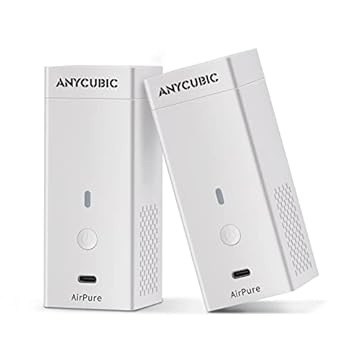
| ANYCUBIC Mini Purifier 3D Printer | Resin and small LCD/DLP enclosures | Lightweight twin-pack purifiers focusing purely on activated carbon odor absorption without active heating |
| Compatible with Bambu Lab X1C | Bambu Lab and Elegoo drop-in filtration | Dedicated air purifier replacement without integrated active chamber heating or filament drying mechanisms |
| 3D Printer Filter System HEPA | Enclosed particulate and VOC scrubbing | Focuses on HEPA H13 and carbon filtration without thermal chamber regulation or drying features |
Deciding between these options depends entirely on whether your machine requires active thermal management or standalone air scrubbing. If you operate an SLA or DLP resin setup where heat is undesirable, the ANYCUBIC Mini Purifier 3D Printer provides compact, lightweight activated carbon odor control in a convenient two-pack. For owners of Bambu Lab or Elegoo printers who strictly want to replace or enhance their air cleaner without modifying internal thermal profiles, the Compatible with Bambu Lab X1C air purifier offers a tailored fit. Similarly, makers who solely need heavy-duty particulate extraction should choose the 3D Printer Filter System HEPA for its dedicated H13 filter stack. However, for complete thermal stability, internal drying, and odor filtration combined, the Panda Breath remains the only multifunctional option.

08 Bottom Line
When considering if the is biqu panda breath worth it question applies to your setup, the answer comes down to consolidation and workflow efficiency. Managing chamber temperature, filament humidity, and airborne contaminants typically requires three separate gadgets, taking up valuable real estate in your workshop. By unifying dual HEPA and carbon filtration with an automatic chamber heater and spool dryer, this unit eliminates external cords and streamlines your entire additive manufacturing workflow. If you also build functional assemblies, keeping a tube of jb weld plastic bonder clear nearby ensures your clean, warp-free printed parts can be quickly assembled into rigid, permanent structures.
While Klipper users must navigate manual control parameters and open-frame users will need to install an aftermarket enclosure, the plug-and-play installation and robust dual thermal safety protections make the BIQU Panda Breath an exceptionally versatile upgrade. For serious Bambu Lab and enclosed printer operators aiming to achieve cleaner indoor air and higher print success rates with technical materials, this all-in-one module delivers outstanding operational utility.
09 FAQ
Does the BIQU Panda Breath require cutting or splicing electrical wires?
No, the unit features a plug-and-play architecture that eliminates the need for wire cutting, frame modifications, or handling exposed alternating current wires during installation.
Can the filament dryer operate while a print is running?
The listing states that the filament drying function is designed for use when the printer is idle, allowing makers to switch modes and dehumidify spools between active printing sessions.
What filter media is used in the air filtration system?
The unit utilizes a dual filtration system containing both a HEPA filter and an activated carbon stage to capture ultrafine airborne particulates and volatile organic compounds.
How do you control the heater on Klipper-based 3D printers?
Klipper-based printers like the Voron 2.4 or Snapmaker U1 currently support manual heating control, meaning automatic start and stop macro sequences are not available at this time.
Do you need an enclosure to use this unit on the Bambu Lab A1?
Yes, the manufacturer specifies that the Bambu Lab A1 must be paired with an enclosure to utilize the Panda Breath heater and filtration system effectively.